
Cumin & Seed Spices: India vs Pakistan
For brands sourcing cumin & seed spices, here's how India stacks up against Pakistan on the factors that actually move your margin — cost, duty, speed and risk.

Why India leads on cumin & seed spices
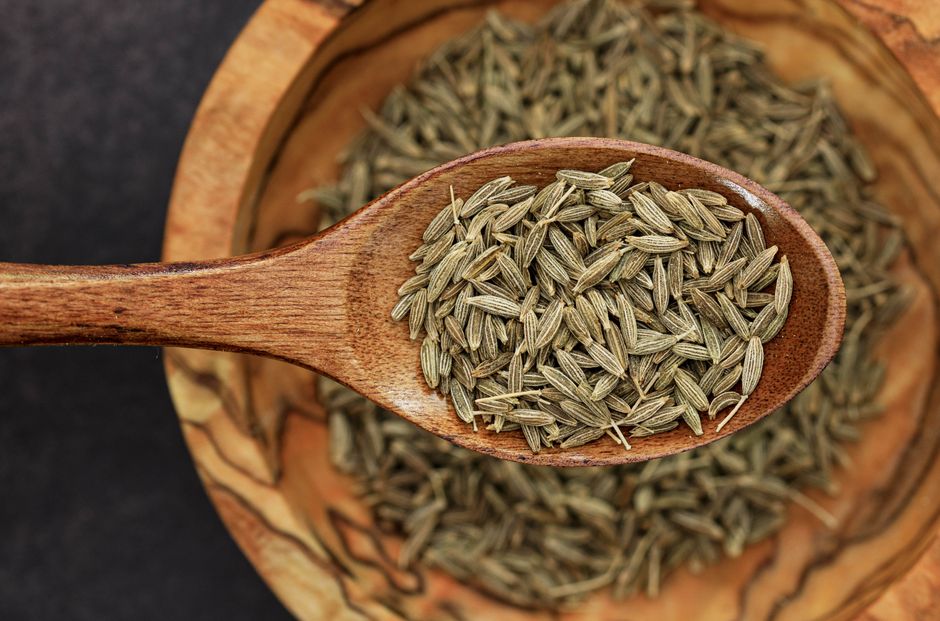
Unjha in Gujarat is the world's cumin price-setter — India grows roughly two-thirds of global jeera — with Syria and Turkey the only meaningful rivals, both supply-constrained. Sortex-cleaned 99%+ purity at Indian scale has no real substitute origin. Coriander, fennel and fenugreek ride the same cleaning and export infrastructure.
Set against Pakistan specifically, its real strength is low-cost cotton textiles, while its weak point for this category is political & security risk. For cumin & seed spices, that trade-off is why India wins on duty access, craft depth and supply-chain transparency even where Pakistan prices lower at the factory gate.
Cost index: 100 = India baseline. Figures are directional benchmarks from our factory network, DGFT and USITC data — see the India Export Index.
Where Pakistan fits in global sourcing
Pakistan is genuinely strong in low-cost cotton textiles, bed linen and towels, and on those specific lines it competes hard on price. The wider concerns are political and security risk, a narrow product range and energy-supply reliability. India covers the same cotton categories while adding breadth, scale and a steadier operating environment.
Where Pakistan is strong
- Low-cost cotton textiles
- Bed linen & towels
Where it falls short
- Political & security risk
- Narrow product range
- Energy & supply reliability
The verdict
India wins on cumin & seed spices
For cumin & seed spices, India offers decisive tariff, quality and supply-risk advantages over Pakistan. Against Pakistan's particular profile above, the India route adds deep craft depth, lower tariff exposure and a transparent, auditable supply chain — the gap is widest precisely on a craft-led category like this one.
Compare cumin & seed spices with other countries
Buyer FAQ
Cumin & Seed Spices: India vs Pakistan — FAQs
- On raw factory cost, Pakistan (cost index 96 vs India's 100) can price lower. India wins on tariff access, craft quality, IP protection and supply-chain resilience for Cumin & Seed Spices.
- Pakistan averages about 15% US import duty; Indian-origin Cumin & Seed Spices (HS 0909) avoids the Section-301 surcharges levied on China and draws on India's expanding trade agreements. Confirm the HS line for your destination.
- Production timelines for Cumin & Seed Spices vary by season and spec. Sourcing from India also spreads concentration risk away from a single country and gives you a transparent, English-speaking supply chain to audit.
- Yes. We manage sampling, QC, freight and documentation end-to-end, so you can run a parallel pilot before shifting volume — no flights required.
Indian exporters of cumin & seed spices
Established export houses with relevant HS focus. Listings are compiled from public records — run your own due diligence.
Browse the full exporter directory →Make the switch to India for cumin & seed spices.
We handle sourcing, QC, freight and documentation end-to-end. You stay focused on growing the brand.