
China Plus One: A Practical Sourcing Playbook
De-risking a single-country supply chain without blowing up your costs or lead times — a step-by-step approach.
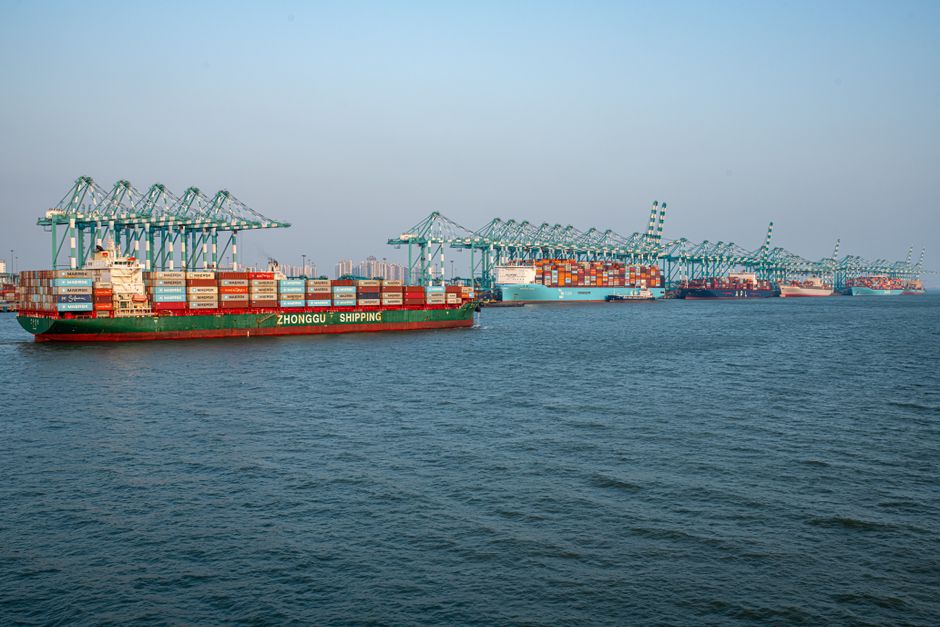
For many importers, the question is no longer whether supply-chain concentration creates risk. The challenge is how to reduce that risk without creating new problems in cost, quality, inventory, or lead times. A supply base built around a single country can be efficient during stable periods, but tariffs, geopolitical tensions, logistics disruptions, and supplier concentration can quickly expose vulnerabilities.
The practical response for many sourcing teams is a China Plus One strategy: continue sourcing from China while adding a second country to reduce dependence on a single location. The goal is not an abrupt migration. It is controlled diversification. The companies that execute this well typically start small, test assumptions with real purchase orders, and expand only after performance has been proven.
What China Plus One Actually Means
China Plus One is often misunderstood as a plan to replace China entirely. In practice, it usually means maintaining established Chinese suppliers while developing a second sourcing base for selected products or categories.
This approach provides several advantages:
- Reduces exposure to tariffs and policy changes affecting a single country.
- Creates a backup source if one supply chain experiences disruption.
- Provides greater flexibility during periods of demand fluctuation.
- Allows buyers to compare cost, lead time, quality, and reliability across sourcing locations.
- Avoids the operational shock of moving an entire product portfolio at once.
The objective is resilience rather than replacement. A diversified supply chain gives procurement teams more options when market conditions change.
Start With Risk Mapping, Not Supplier Searches
A common mistake is immediately searching for suppliers in a new country before understanding where the actual risks sit.
Begin by mapping your current sourcing exposure:
- Which product categories come exclusively from China?
- Which SKUs account for the largest share of revenue?
- Which products have the longest lead times?
- Which categories are most exposed to tariffs or trade-policy changes?
- Which suppliers represent single points of failure?
This exercise often reveals that not every product requires diversification. Some categories may already have sufficient supplier redundancy. Others may present a significant concentration risk despite representing a relatively small portion of total spend.
The goal is to identify where a second sourcing country can create the greatest reduction in risk with the least operational complexity.
Select the Right Product Line for a Pilot
The most effective China Plus One programs typically begin with a narrow SKU set rather than an entire category.
Choose products that meet several criteria:
- Stable and predictable demand.
- Clear product specifications.
- Manageable quality requirements.
- Moderate purchase volumes.
- Commercial importance without being business-critical.
For example, a buyer sourcing dozens of home décor SKUs from China may choose a small group of related products for an initial pilot rather than moving the entire assortment.
This controlled approach limits operational risk while generating real-world data about supplier performance, quality consistency, lead times, and communication.
A pilot should be large enough to test supplier capabilities but small enough that any issues remain manageable.
Where India Fits Into a China Plus One Strategy
India is particularly relevant for buyers sourcing categories that benefit from the country's manufacturing strengths.
India is often well suited for:
- Natural fibre products.
- Craft-based product categories.
- Finished goods with significant handwork or artisanal production elements.
- Home, lifestyle, and decorative products where material expertise and craftsmanship matter.
Importers evaluating alternatives can use resources such as product-specific sourcing information and regional manufacturing insights available through India's major production states to identify potential sourcing clusters.
The key point is that China Plus One should not assume identical country strengths across every category. Different countries often perform better in different product groups. Successful sourcing teams align category strategy with actual manufacturing capabilities rather than forcing a single-country solution.
Use Dual Sourcing Before Volume Migration
One of the most important principles in a China Plus One strategy is dual sourcing.
Rather than immediately transferring volume away from China, establish parallel supply capability.
This means:
- Maintaining existing Chinese suppliers.
- Developing qualified suppliers in a second country.
- Running purchase orders through both sources.
- Comparing performance using the same evaluation criteria.
Dual sourcing creates operational flexibility. It allows buyers to shift volume based on changing costs, lead times, capacity availability, or market conditions without restarting the supplier qualification process.
It also provides leverage during procurement discussions while reducing dependence on any single supplier relationship.
Build a Supplier Evaluation Framework
A supplier should not be evaluated solely on quoted pricing.
During a China Plus One pilot, sourcing managers should compare suppliers across multiple dimensions:
- Product quality consistency.
- Specification compliance.
- Sampling accuracy.
- Production lead times.
- Communication responsiveness.
- Order management capability.
- Packaging performance.
- Ability to handle future volume increases.
Create a structured scorecard before the pilot begins. Using the same criteria across suppliers prevents sourcing decisions from becoming subjective.
Many sourcing teams discover that the lowest quoted cost does not always produce the lowest landed risk. Reliable execution often becomes more valuable than small differences in unit pricing.
Validate Quality Control Early
Quality validation should begin before significant purchase volumes are committed.
Key questions include:
- Do production samples accurately reflect future production runs?
- Are specifications clearly documented?
- Can the supplier maintain consistency across multiple batches?
- How are quality issues identified and corrected?
- What processes exist for handling non-conforming products?
Quality problems become increasingly expensive once products are shipped internationally. A pilot program provides an opportunity to identify gaps before larger volumes are involved.
Buyers should document findings throughout the pilot phase rather than relying on informal observations. Data gathered during initial orders becomes critical when deciding whether to scale sourcing activity.
Measure Lead Times With Real Orders
Estimated lead times and actual lead times are often different.
That is why pilot programs should be measured using live purchase orders rather than assumptions.
Track each stage of the sourcing process:
- Sample development.
- Quotation turnaround.
- Order confirmation.
- Production completion.
- Shipment readiness.
This information reveals whether a supplier can support inventory planning requirements.
A sourcing strategy that reduces geopolitical risk but creates inventory shortages may not improve overall business performance. Lead-time reliability is often as important as lead-time length.
Consider Tariffs and Trade Access by Category
Not every product should be sourced from the same country.
Tariff exposure and trade-agreement access should play a central role in category allocation decisions.
Instead of asking which country should supply everything, ask which country should supply each category.
A practical framework looks like this:
- Categories facing higher tariff exposure may benefit from diversification.
- Products aligned with India's manufacturing strengths may be natural candidates for sourcing expansion.
- Products where China maintains clear advantages may remain in China.
- Categories requiring supply-chain resilience may be dual-sourced across both countries.
This category-by-category analysis is usually more effective than broad relocation strategies.
Create a Structured Scale-Up Plan
After a successful pilot, the next step is not immediate full-volume migration.
Volume should increase gradually and according to predefined milestones.
Phase 1: Pilot
- Limited SKU range.
- Small purchase orders.
- Performance tracking.
Phase 2: Validation
- Repeat orders.
- Consistency checks.
- Lead-time verification.
- Quality trend analysis.
Phase 3: Controlled Expansion
- Additional SKUs.
- Higher order volumes.
- Broader supplier engagement.
Phase 4: Strategic Allocation
- Permanent sourcing split.
- Category-specific country assignments.
- Long-term risk management planning.
This phased approach reduces disruption while allowing procurement teams to make decisions based on evidence rather than assumptions.
Common Mistakes to Avoid
- Attempting to move too many products at once.
- Selecting suppliers solely on quoted cost.
- Skipping pilot orders.
- Failing to measure lead-time performance.
- Assuming all product categories fit the same sourcing country.
- Eliminating existing suppliers before alternatives are fully qualified.
- Treating diversification as a one-time project rather than an ongoing capability.
The strongest China Plus One programs are disciplined and incremental. They prioritize learning, validation, and flexibility over rapid relocation.
Building a Resilient Sourcing Portfolio
China Plus One is most effective when viewed as a sourcing portfolio strategy. Different countries can serve different purposes, different categories, and different risk profiles. The objective is not to find a single replacement for China but to create a supply base that can withstand disruption without compromising service levels.
If you are evaluating where India may fit within your sourcing mix, compare category suitability, supplier options, and production strengths before launching a pilot. A structured assessment through country and sourcing comparisons, followed by a controlled supplier qualification process through a defined sourcing workflow, provides a practical starting point. Once a target category has been identified, the next step is to begin a focused pilot and build evidence before scaling volume.