
How to Vet an Indian Supplier Before You Order
A structured supplier-vetting process helps importers verify capability, reduce quality risk, and identify warning signs before placing an order with an Indian manufacturer.
- Verify core business and export documents before discussing volume.
- Speak directly with customer references and ask specific performance questions.
- Use factory visits or virtual audits to confirm production capability.
- Compare claims against observable evidence such as facilities, processes, and records.
- Treat inconsistent information, reluctance to share details, and unrealistic promises as red flags.
Finding a supplier is only the first step. The larger challenge is determining whether that supplier can consistently meet your quality, delivery, and compliance requirements. A professional-looking website, a responsive sales team, or a competitive quotation should never be treated as proof of manufacturing capability.
For importers sourcing from India, supplier vetting is the process that reduces uncertainty before money changes hands. A structured review of documents, customer references, factory operations, and communication practices can help identify reliable partners and avoid costly mistakes. The goal is not to eliminate all risk, but to gather enough evidence to make an informed sourcing decision.
Start with basic company verification
Before reviewing products or negotiating prices, confirm that the supplier is a legitimate operating business. This initial screening can quickly reveal whether a company is worth further evaluation.
Request key business documents and compare them against the information provided in quotations, catalogs, and email communications. Consistency matters.
- Business registration documents.
- Tax-related registration details where relevant.
- Export-related documentation if the company exports directly.
- Company address and facility location details.
- Authorized contact information.
Pay attention to whether the supplier provides documents promptly and without hesitation. Delays, incomplete responses, or conflicting information deserve further investigation.
Importers should also verify whether the supplier is the actual manufacturer, a trader, or a combination of both. Neither model is automatically better, but clarity is important. Your sourcing strategy, pricing expectations, quality control approach, and communication structure may differ depending on the supplier's role in the supply chain.
If you are evaluating multiple sourcing options, reviewing supplier profiles through industry intelligence and sourcing platforms can help establish a broader market context before moving forward. Resources such as industry intelligence and supplier discovery tools within manufacturing hubs can support this early-stage assessment.
Assess product and manufacturing capability
Many supplier issues arise because buyers assume capability rather than verifying it. A company may successfully produce one product category but struggle with another that appears similar.
Ask detailed questions about the products you intend to source.
- How long has the supplier been producing that product category?
- Is production performed in-house or subcontracted?
- What production processes are used?
- What quality checks occur during manufacturing?
- Can the supplier handle your expected order volumes?
- What customization capabilities exist?
Request product specifications, photographs, process descriptions, and examples of comparable work where appropriate. The objective is to determine whether the supplier has practical experience with requirements similar to yours.
When reviewing responses, look for operational detail rather than marketing language. Experienced manufacturers typically discuss materials, production steps, tolerances, inspection points, and packaging requirements with confidence and consistency.
Check customer references carefully
References remain one of the most valuable supplier-verification tools available to buyers. However, simply collecting reference names is not enough.
Whenever possible, speak directly with existing or previous customers. Prepare specific questions that focus on performance rather than general satisfaction.
- Were shipments delivered on time?
- How did the supplier handle quality issues?
- Was communication clear and responsive?
- Did actual production match approved samples?
- Were there unexpected cost or specification changes?
- Would the customer place orders with the supplier again?
Detailed answers are usually more useful than simple positive endorsements. A reference that explains how the supplier resolved a production problem can provide valuable insight into how the company operates under pressure.
If a supplier refuses to provide references, provides only vague information, or becomes defensive when asked for customer feedback, consider that a warning sign requiring further review.
Conduct a factory visit whenever possible
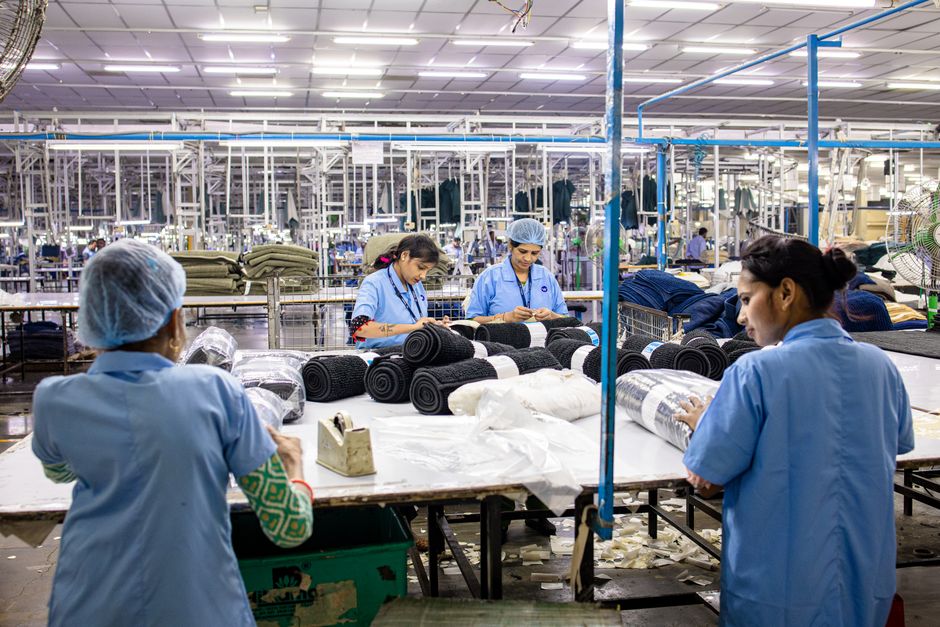
A factory visit is often the most effective way to validate supplier claims. Seeing operations firsthand allows buyers to evaluate production capability, workforce organization, quality systems, and facility conditions.
During a visit, observe whether the factory matches the scale and capabilities described during discussions.
- Production equipment and its condition.
- Material storage and inventory management.
- Work-in-progress handling.
- Finished goods storage.
- Quality inspection activities.
- Packaging and shipping preparation.
- General organization and housekeeping.
Pay attention to evidence rather than presentations. A supplier may describe sophisticated quality procedures, but the factory floor should demonstrate how those procedures are actually implemented.
Factory visits also provide an opportunity to meet operational personnel beyond the sales team. Conversations with production managers, quality personnel, and technical staff often reveal valuable information about capability and responsiveness.
Use virtual audits when onsite visits are not practical
Not every sourcing project allows for immediate travel. In such cases, a structured virtual audit can provide meaningful visibility into supplier operations.
A virtual audit should be more than a video call in a conference room. Request a live walkthrough of the facility and ask questions in real time.
- View production areas.
- Review equipment used for manufacturing.
- Observe quality inspection activities.
- Examine warehousing and storage practices.
- Verify company signage and facility identity.
- Meet key operational personnel.
Ask the supplier to move through the facility naturally rather than relying exclusively on pre-recorded videos or carefully edited presentations. Live interaction makes it easier to verify whether operations align with claims.
While virtual audits cannot fully replace physical inspections, they can significantly improve transparency and help buyers prioritize suppliers for deeper evaluation.
Evaluate communication quality
Supplier performance often becomes visible long before production begins. Communication patterns during the vetting stage can indicate how the relationship may function after orders are placed.
Strong suppliers generally provide:
- Clear and direct answers.
- Consistent technical information.
- Reasonable response times.
- Transparency regarding limitations.
- Willingness to clarify specifications.
Be cautious when suppliers avoid direct answers, repeatedly change information, or make commitments without understanding requirements. Overpromising can be just as risky as underperforming.
Good communication does not mean saying yes to everything. In many cases, a supplier that identifies potential production challenges early is more reliable than one that accepts every request without discussion.
Watch for common red flags
Most supplier problems are preceded by warning signs. Recognizing these indicators early can prevent expensive sourcing mistakes.
Inconsistent information
Differences between documents, quotations, website claims, and verbal statements should be investigated. Consistency is a basic indicator of reliability.
Reluctance to share documentation
While some information may be confidential, excessive resistance to providing standard business documents or operational details can signal risk.
Unrealistic promises
Be cautious when a supplier claims it can meet every requirement, deliver unusually quickly, or produce highly specialized products without supporting evidence.
Lack of operational transparency
If factory visits, virtual audits, facility walkthroughs, or discussions with operational staff are repeatedly discouraged, buyers should seek additional verification.
Poor attention to detail
Repeated errors in specifications, quotations, samples, or documentation may indicate broader process-control weaknesses.
Create a structured supplier approval process
Rather than relying on intuition, establish a repeatable evaluation framework. This allows sourcing teams to compare suppliers consistently and document decision-making.
A practical approval process may include:
- Document verification.
- Capability assessment.
- Reference checks.
- Factory visit or virtual audit.
- Sample evaluation.
- Commercial review.
- Risk assessment.
Using a structured process helps organizations avoid decisions based solely on pricing. The lowest quotation can become expensive if quality issues, delays, or communication failures emerge later.
Importers exploring new supplier relationships can also benefit from reviewing available sourcing resources, supplier discovery options, and onboarding guidance through how it works, products, and getting started resources.
Balance opportunity with verification
India offers sourcing opportunities across a wide range of manufacturing sectors, but supplier selection should be based on evidence rather than assumptions. Effective vetting combines document reviews, reference checks, operational verification, and careful observation of communication practices.
The most reliable supplier relationships are built on transparency, demonstrated capability, and consistent execution. Before placing an order, invest the time required to verify what a supplier says against what it can actually deliver. The effort spent on due diligence is often far less costly than resolving problems after production begins.
As a next step, build a shortlist of suppliers, apply a standardized vetting process to each candidate, and document findings before making sourcing commitments.