
Glass Tableware: India vs China
For brands sourcing glass tableware, here's how India stacks up against China on the factors that actually move your margin — cost, duty, speed and risk.

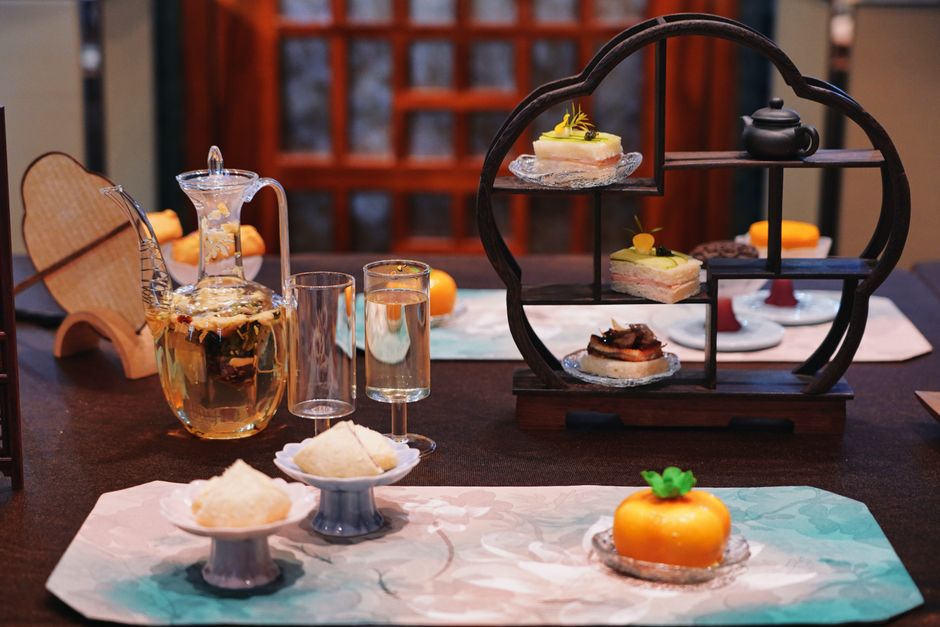
Why India leads on glass tableware
Firozabad is India's glass town, producing pressed and hand-worked tableware at a labour cost Western producers cannot reach. China and Turkey lead on automated volume, but India's niche is decorative, coloured and hand-finished glass in flexible quantities. For brands wanting characterful glassware rather than uniform machine output, it is a strong fit.
Set against China specifically, its real strength is massive scale & infrastructure, while its weak point for this category is section 301 tariffs (7.5–100%). For glass tableware, that trade-off is why India lands materially cheaper while sidestepping Section-301 tariffs.
Cost index: 100 = India baseline. Figures are directional benchmarks from our factory network, DGFT and USITC data — see the India Export Index.
Where China fits in global sourcing
China remains the default for sheer scale, component depth and lead-time speed, and for many commoditised lines it is genuinely hard to beat on unit cost. The case for India is structural rather than penny-for-penny: it removes Section-301 tariff exposure, dilutes the single-country concentration risk that worries boards, and replaces opaque sourcing with a more transparent, IP-respecting supply chain.
Where China is strong
- Massive scale & infrastructure
- Fast lead times
- Deep component ecosystem
Where it falls short
- Section 301 tariffs (7.5–100%)
- Rising labor costs
- IP & concentration risk
- Geopolitical exposure
The verdict
India wins on glass tableware
For glass tableware, India offers a 16% landed-cost advantage over China. Against China's particular profile above, the India route adds Firozabad's craft depth, lower tariff exposure and a transparent, auditable supply chain — the gap is widest precisely on a craft-led category like this one.
Source glass tableware from FirozabadCompare glass tableware with other countries
Buyer FAQ
Glass Tableware: India vs China — FAQs
- For Glass Tableware, India lands roughly 16% below comparable China cost, and the gap widens once Section-301 tariffs and India's RoDTEP refund are counted.
- Chinese-origin Glass Tableware carries Section-301 penalties of 7.5–100% on top of base duty, while Indian-origin goods ship under HS 7013 with no such surcharge and India's widening FTA network behind them — usually the single largest swing in landed cost.
- Indian production runs 35–55 days for Glass Tableware, typically out of Firozabad. Sourcing from India also spreads concentration risk away from a single country and gives you a transparent, English-speaking supply chain to audit.
- Yes. We manage sampling, QC, freight and documentation end-to-end, typically from Firozabad, so you can run a parallel pilot before shifting volume — no flights required.
Indian exporters of glass tableware
Established export houses with relevant HS focus. Listings are compiled from public records — run your own due diligence.
Browse the full exporter directory →Make the switch to India for glass tableware.
We handle sourcing, QC, freight and documentation end-to-end. You stay focused on growing the brand.