
Leather Journals: India vs Turkey
For brands sourcing leather journals, here's how India stacks up against Turkey on the factors that actually move your margin — cost, duty, speed and risk.

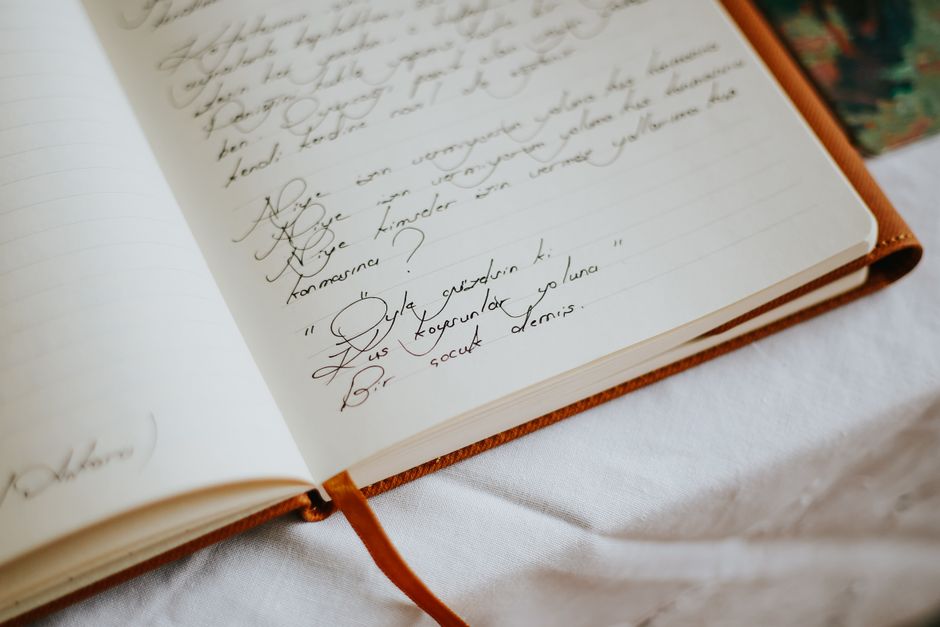
Why India leads on leather journals
Handmade leather journals are a focused Indian strength, with Kanpur and Jaipur units pairing vegetable-tanned leather and handmade cotton-rag paper. There is little organised offshore competition in genuine leather-bound stationery at this price. For gift, stationery and corporate-merchandise brands, India offers craft, customisation and small-MOQ flexibility rivals do not.
Set against Turkey specifically, its real strength is fast to EU markets, while its weak point for this category is higher cost base. For leather journals, that trade-off is why India wins on landed cost as well as craft depth and duty access.
Cost index: 100 = India baseline. Figures are directional benchmarks from our factory network, DGFT and USITC data — see the India Export Index.
Where Turkey fits in global sourcing
Turkey's pull is speed and quality into Europe, with a genuinely strong textile tradition. The trade-offs are a higher cost base and persistent currency volatility that makes pricing hard to hold. On many textile and home lines India matches the quality at a lower, more stable landed cost — and brings craft categories Turkey does not.
Where Turkey is strong
- Fast to EU markets
- Strong textile quality
Where it falls short
- Higher cost base
- Currency volatility
The verdict
India wins on leather journals
For leather journals, India offers a roughly 30% landed-cost edge over Turkey. Against Turkey's particular profile above, the India route adds Kanpur's craft depth, lower tariff exposure and a transparent, auditable supply chain — the gap is widest precisely on a craft-led category like this one.
Source leather journals from KanpurCompare leather journals with other countries
Buyer FAQ
Leather Journals: India vs Turkey — FAQs
- For Leather Journals, our cost index puts Turkey about 30% above India's baseline of 100 — and India's lower tariff exposure plus its RoDTEP refund widen that advantage.
- Turkey averages about 10% US import duty; Indian-origin Leather Journals (HS 4820) avoids the Section-301 surcharges levied on China and draws on India's expanding trade agreements. Confirm the HS line for your destination.
- Indian production runs 30–45 days for Leather Journals, typically out of Kanpur. Sourcing from India also spreads concentration risk away from a single country and gives you a transparent, English-speaking supply chain to audit.
- Yes. We manage sampling, QC, freight and documentation end-to-end, typically from Kanpur, so you can run a parallel pilot before shifting volume — no flights required.
Indian exporters of leather journals
Established export houses with relevant HS focus. Listings are compiled from public records — run your own due diligence.
Browse the full exporter directory →Make the switch to India for leather journals.
We handle sourcing, QC, freight and documentation end-to-end. You stay focused on growing the brand.