
Wooden Toys: India vs Indonesia
For brands sourcing wooden toys, here's how India stacks up against Indonesia on the factors that actually move your margin — cost, duty, speed and risk.

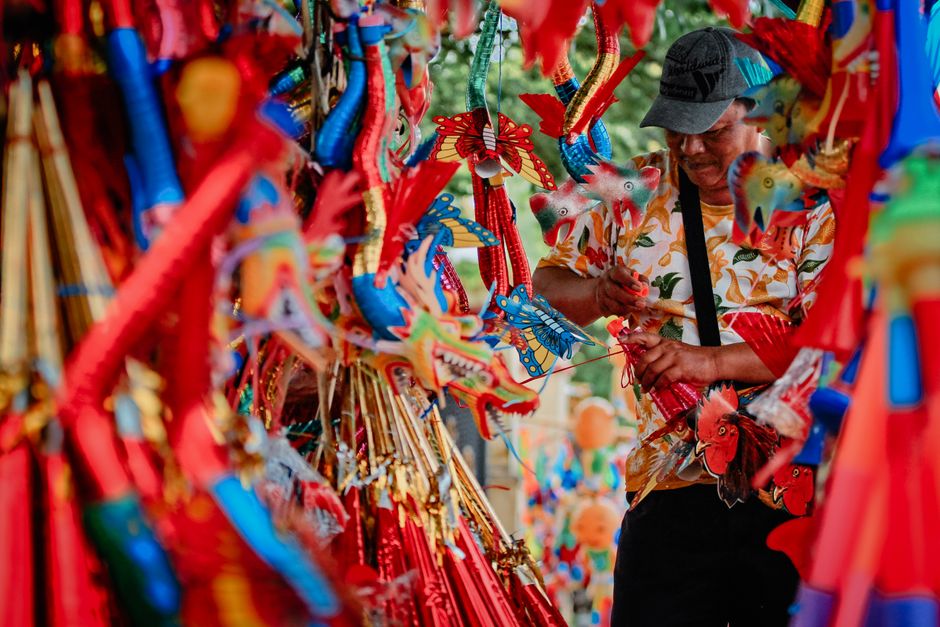
Why India leads on wooden toys
Channapatna's GI-tagged lacquered wooden toys give India a genuine, safety-friendly craft niche using natural lac colours — a contrast to China's mass plastic-and-painted toy output. China dominates volume; India's edge is sustainable, hand-turned wooden toys with a clean-materials story. For eco-conscious and heritage toy brands, it is a distinctive source.
Set against Indonesia specifically, its real strength is low labor cost, while its weak point for this category is logistics across an archipelago. For wooden toys, that trade-off is why India wins on duty access, craft depth and supply-chain transparency even where Indonesia prices lower at the factory gate.
Cost index: 100 = India baseline. Figures are directional benchmarks from our factory network, DGFT and USITC data — see the India Export Index.
Where Indonesia fits in global sourcing
Indonesia is competitive in footwear and furniture and is rich in natural resources. Its drawbacks are logistical complexity across an archipelago and a narrower handicraft heritage than India's. Where a product needs deep artisan technique or a wide craft range rather than resource-led manufacturing, India tends to be the more complete and easier-to-coordinate origin.
Where Indonesia is strong
- Low labor cost
- Strong in footwear & furniture
- Abundant natural resources
Where it falls short
- Logistics across an archipelago
- Narrower craft heritage
- Regulatory complexity
The verdict
India wins on wooden toys
For wooden toys, India offers decisive tariff, quality and supply-risk advantages over Indonesia. Against Indonesia's particular profile above, the India route adds Channapatna's craft depth, lower tariff exposure and a transparent, auditable supply chain — the gap is widest precisely on a craft-led category like this one.
Source wooden toys from ChannapatnaCompare wooden toys with other countries
Buyer FAQ
Wooden Toys: India vs Indonesia — FAQs
- On raw factory cost, Indonesia (cost index 100 vs India's 100) can price lower. India wins on tariff access, craft quality, IP protection and supply-chain resilience for Wooden Toys.
- Indonesia averages about 19% US import duty; Indian-origin Wooden Toys (HS 9503) avoids the Section-301 surcharges levied on China and draws on India's expanding trade agreements. Confirm the HS line for your destination.
- Indian production runs 35–50 days for Wooden Toys, typically out of Channapatna. Sourcing from India also spreads concentration risk away from a single country and gives you a transparent, English-speaking supply chain to audit.
- Yes. We manage sampling, QC, freight and documentation end-to-end, typically from Channapatna, so you can run a parallel pilot before shifting volume — no flights required.
Indian exporters of wooden toys
Established export houses with relevant HS focus. Listings are compiled from public records — run your own due diligence.
Browse the full exporter directory →Make the switch to India for wooden toys.
We handle sourcing, QC, freight and documentation end-to-end. You stay focused on growing the brand.