
Sambalpur
Western Odisha's home of GI-tagged Sambalpuri ikat — tie-dyed-yarn handloom of intricate motifs.
- Craft since
- 1700
- Units
- Thousands of handlooms
- Artisans
- 1 lakh+ weavers
- Specialty
- Sambalpuri ikat handloom
The heritage
Sambalpur is Odisha’s Ikat Capital: the handloom centre for GI‑tagged Sambalpuri ikat. In Sambalpur district and neighbouring districts of western Odisha the bandha tradition that began around 1700 is still practiced — yarns are tie‑dyed before they reach the loom so shells, flowers and wheel motifs appear as precise patterns in the finished cloth. The craft supplies specialist textile buyers and apparel labels who seek tie‑dyed‑yarn handloom rather than printed imitations.
The local identity matters. Sambalpur’s name on a product signals the GI‑tagged Sambalpuri ikat technique, and the work is spread across villages in Sambalpur and nearby Bargarh where preparatory tie‑dye, dyehouses and handloom weaving are interdependent parts of the value chain.
What sets Sambalpuri bandha apart for product teams
Sambalpuri ikat from Sambalpur and surrounding districts uses bandha — resist tie‑dye on yarn — to create motifs with defined edges when woven. Buyers see traditional motifs such as shells, flowers and wheels rendered with the warp and weft pre‑coloured so the pattern is integral to the cloth. For product managers in Odisha sourcing teams, this means the motif placement is governed by how the warp is marked and tied in Sambalpur preparatory units, not by post‑weave printing. That affects pattern repeats, waste allowances and quality control steps at the handloom stage in Sambalpur.How cloth is made in the cluster: stages and units
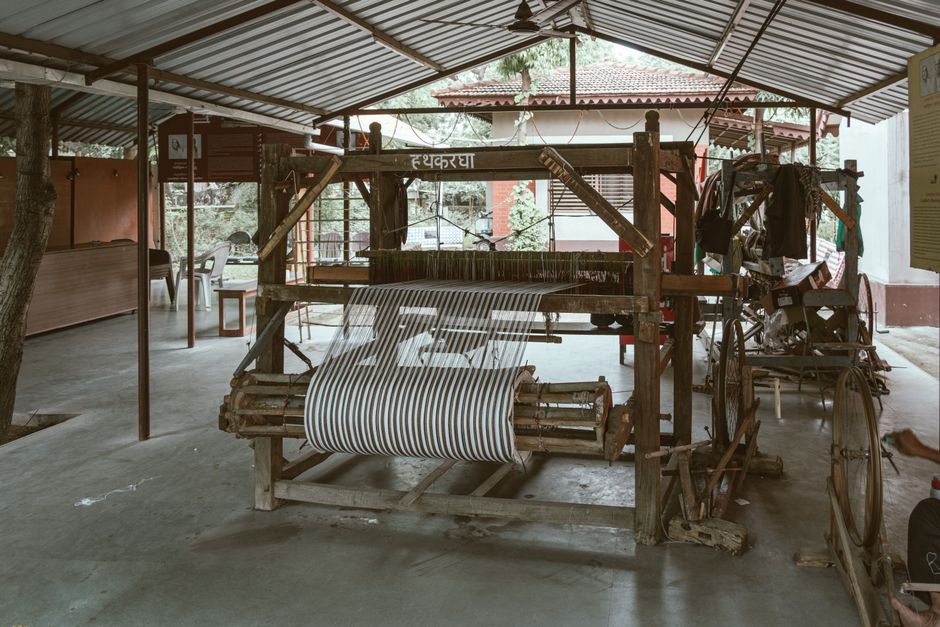
In Sambalpur district the sequence is familiar: yarn procurement, sizing and marking, intricate tie‑dye (bandha) at village or small workshop level, drying, warp beaming and handloom weaving. Weaving typically takes place on small looms in Sambalpur towns and village households in western Odisha; dyeing and the tie‑work are handled by specialist artisans concentrated in the same districts. Because public records list no export houses in or near the cluster, many transactions move through local traders or buying agents who coordinate several village‑scale dyers and weavers in Sambalpur and Bargarh to complete an order.Trade terms and the real numbers
The market economics for Sambalpur ikat silk and cotton fabrics are concrete: expect FOB prices in the range of $4.50–$16.00 per metre. Minimum order quantities start from 150 (buyers should confirm whether that MOQ refers to metres or pieces with any supplier in Sambalpur), and typical lead times run 40–60 days from sample approval to shipment when production is single‑facility coordinated across Sambalpur and neighbouring districts. Complexity of motifs and the number of colour changes in the bandha process are the main drivers of the higher end of the price and longer lead times in Sambalpur.Exactly what to specify when placing an order
When you brief a supplier or agent in Sambalpur, specify: that the fabric is Sambalpuri bandha (tie‑dyed yarn), finished width, exact motif cartography (repeat size and placement of shells, flowers, wheels), yarn count and composition, number of colours in warp and weft, and acceptable shade tolerances. Require a handloom strike‑off from a Sambalpur weaver and a photo of the tied warp before weaving. Insist on confirmation of FOB terms from the Sambalpur point of origin and a clear statement about whether the cluster’s small dye units or home looms will complete the work. Because export houses are not recorded near Sambalpur, plan for a local coordinator or importer’s agent to manage quality checks, consolidation and documentation.- GI Sambalpuri ikat
- Tie-dye yarn weaving
- Cotton & silk handloom
What you can source from Sambalpur
Your India Desk
Source directly from Sambalpur's best factories.
We handle sourcing, QC, freight and documentation end-to-end. You stay focused on growing the brand.
Free, no obligation
Reply within 1 business day
No spam, ever