
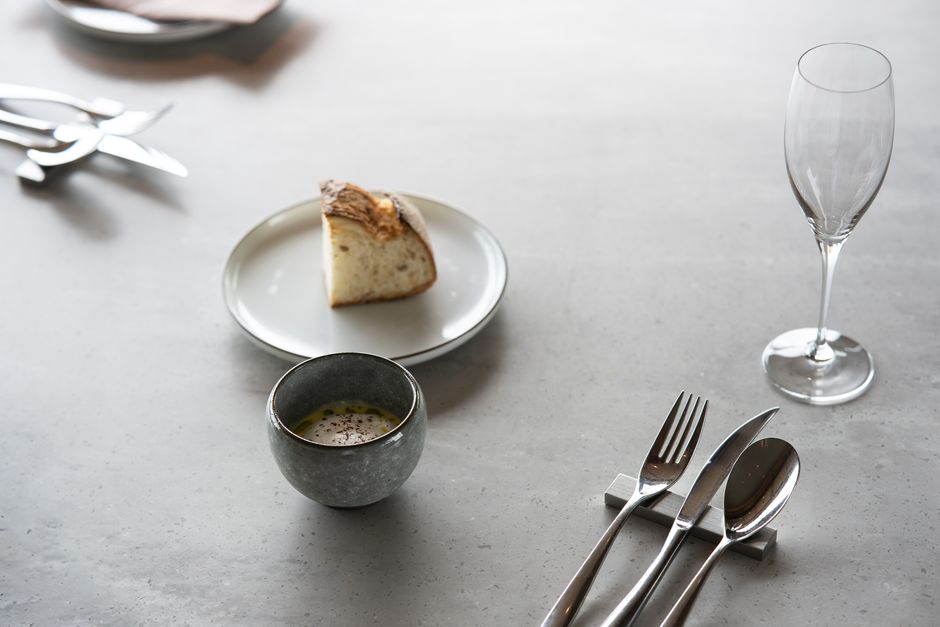
Importing glass tableware from India to Japan
A practical guide for Japan brands sourcing glass tableware from India — landed economics, duty access, freight transit and the government incentives that make Indian pricing 16% sharper than China.
Why brands import glass tableware from India
Firozabad is India's glass town, producing pressed and hand-worked tableware at a labour cost Western producers cannot reach. China and Turkey lead on automated volume, but India's niche is decorative, coloured and hand-finished glass in flexible quantities. For brands wanting characterful glassware rather than uniform machine output, it is a strong fit.
Duty & market access into Japan
Under the India–Japan Comprehensive Economic Partnership Agreement, in force since 2011, the large majority of Indian exports enter Japan duty-free or at reduced rates — a structural edge over comparable Chinese supply. Japan's exacting quality expectations reward India's craft and finished-goods quality.
Japan is an exacting market that prizes finish, consistency and packaging quality, and rewards suppliers who treat it as a long-term relationship. CEPA gives Indian goods preferential duty access, but the real gate is QC: tight tolerances and immaculate presentation matter more here than in most markets, and earn premium, repeat orders when met.
What's specific to importing glass tableware
Glass tableware is food-contact, so heavy-metal migration limits — especially on coloured or decorated ware — are the compliance gate, and the destination's test report is required. It is also fragile and low-value-to-weight, so breakage allowance and protective packing dominate the landed-cost maths. Specify packaging standards explicitly in the order.
Getting it there
Shipments typically move FCL or LCL from Mundra or Nhava Sheva to Tokyo, Yokohama, Kobe, Nagoya in 14–22 days by sea, or 3–6 days by air for samples and urgent top-ups. We manage freight booking, customs documentation and the certificate of origin end-to-end, so the goods clear cleanly on arrival.
Customs tip: Issue a CEPA-compliant certificate of origin to claim preferential duty, and prepare for Japan's strict labelling, quality and (for food and cosmetics) regulatory requirements.
Why India lands cheaper
Under RoDTEP, the Government of India refunds embedded duties worth 1.6% of FOB on glass tableware — a saving Indian factories pass into their quote. Combined with no Section-301 tariff exposure, that is most of why landed cost into Japan runs 16% below China.
Buyer FAQ
Importing glass tableware to Japan — FAQs
- Under the India–Japan Comprehensive Economic Partnership Agreement, in force since 2011, the large majority of Indian exports enter Japan duty-free or at reduced rates — a structural edge over comparable Chinese supply. Japan's exacting quality expectations reward India's craft and finished-goods quality.
- Ocean freight runs about 14–22 days from Mundra or Nhava Sheva to Tokyo, Yokohama, Kobe, Nagoya, plus 3–6 days by air for samples and urgent top-ups.
- Yes — India–Japan CEPA (in force 2011). We issue the matching certificate of origin so you can claim any preferential duty you qualify for.
- MOQs start around 500 units at an indicative FOB of $0.80–$5.00 per piece — roughly 16% below comparable China landed cost into Japan.
Import glass tableware from India to Japan, fully managed.
We handle sourcing, QC, freight and documentation end-to-end. You stay focused on growing the brand.