
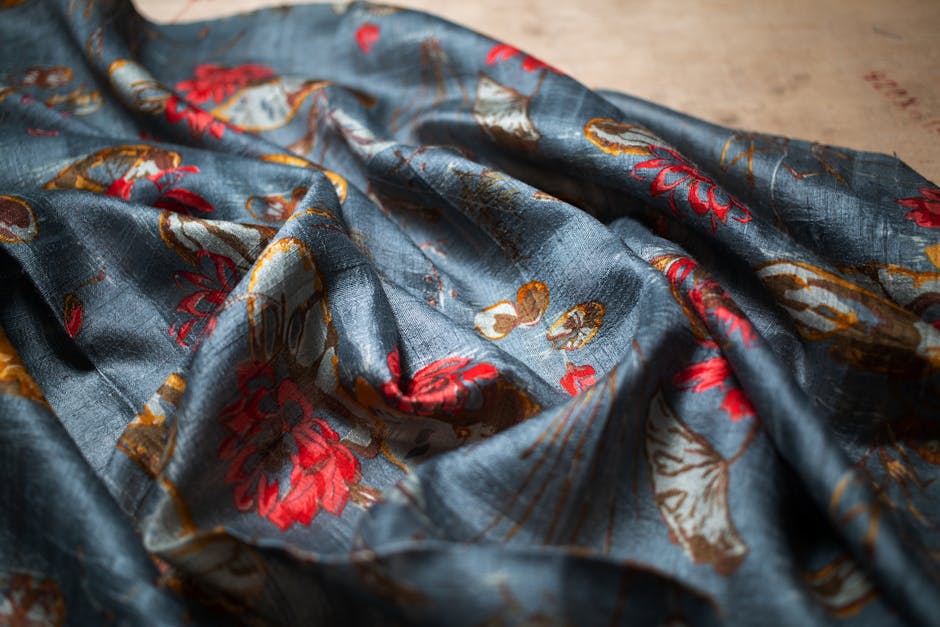
Importing tussar silk fabric from India to Netherlands
A practical guide for Netherlands brands sourcing tussar silk fabric from India — landed economics, duty access, freight transit and the government incentives that make Indian pricing 22% sharper than China.
Why brands import tussar silk fabric from India
Tussar (wild) silk is a distinctly Indian fibre, with Bhagalpur — 'the Silk City' — and Jharkhand anchoring its production; its natural gold sheen and texture differ from China's cultivated mulberry silk. It is a complement to, not a copy of, Chinese silk. For brands wanting genuine wild-silk character with an Indian provenance, India is the origin.
Duty & market access into Netherlands
The Netherlands applies the EU Common Customs Tariff — modest MFN duties on most consumer goods and no China-style tariff penalty on Indian origin. As Europe's largest seaport gateway it is a common entry point for onward EU distribution, and a concluded EU–India FTA would lower duties further.
The Netherlands punches far above its size as a distribution gateway — Rotterdam and efficient customs make it a re-export hub into the wider EU. Buyers are pragmatic, focused on landed cost, lead time and clean documentation. It is an EU market under the Common Customs Tariff, well suited to suppliers who can ship reliably at volume.
What's specific to importing tussar silk fabric
Tussar ships as silk piece-goods at generally modest duty, but the value claim must be evidenced: tussar-versus-mulberry and silk-versus-blend distinctions are tested, so a fibre-composition certificate matters. Where the fabric is sold on its natural-dye or handloom credentials, hold the azo-free report too, so the premium positioning is documented at clearance and on the shelf.
Getting it there
Shipments typically move FCL or LCL from Mundra or Nhava Sheva to Rotterdam, Amsterdam in 18–24 days by sea, or 3–6 days by air for samples and urgent top-ups. We manage freight booking, customs documentation and the certificate of origin end-to-end, so the goods clear cleanly on arrival.
Customs tip: Use an EU EORI number and consider the Dutch Article 23 import-VAT deferment licence, which lets importers defer VAT to the periodic return instead of paying it at the border.
Why India lands cheaper
Under RoDTEP, the Government of India refunds embedded duties worth 1.9% of FOB on tussar silk fabric — a saving Indian factories pass into their quote. Combined with no Section-301 tariff exposure, that is most of why landed cost into Netherlands runs 22% below China.
Buyer FAQ
Importing tussar silk fabric to Netherlands — FAQs
- The Netherlands applies the EU Common Customs Tariff — modest MFN duties on most consumer goods and no China-style tariff penalty on Indian origin. As Europe's largest seaport gateway it is a common entry point for onward EU distribution, and a concluded EU–India FTA would lower duties further.
- Ocean freight runs about 18–24 days from Mundra or Nhava Sheva to Rotterdam, Amsterdam, plus 3–6 days by air for samples and urgent top-ups.
- Yes — EU Common Customs Tariff (EU–India FTA in negotiation). We issue the matching certificate of origin so you can claim any preferential duty you qualify for.
- MOQs start around 100 units at an indicative FOB of $6.00–$22.00 per metre — roughly 22% below comparable China landed cost into Netherlands.
Import tussar silk fabric from India to Netherlands, fully managed.
We handle sourcing, QC, freight and documentation end-to-end. You stay focused on growing the brand.