
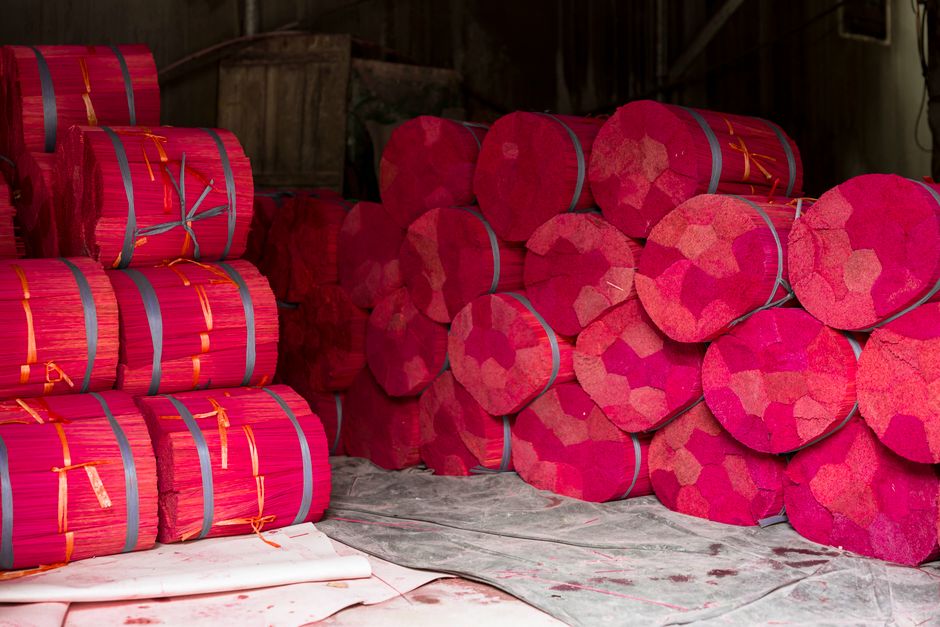
Importing incense sticks from India to United Arab Emirates
A practical guide for United Arab Emirates brands sourcing incense sticks from India — landed economics, duty access, freight transit and the government incentives that keep Indian pricing an estimated 24% below China.
Indian manufacturers of incense sticks
Listings come from public records unless marked Verified, so please do your own checks.
Why brands import incense sticks from India
India is the world's dominant agarbatti producer, with Mysuru and Bengaluru anchoring a craft that is culturally native and labour-deep. China and Vietnam make incense, but not at India's scale or fragrance breadth, and not with the same hand-rolling tradition. For brands wanting authentic Indian incense with wide fragrance range, the origin is self-selecting.
Duty & market access into United Arab Emirates
The India–UAE CEPA, in force since May 2022, grants the large majority of Indian exports duty-free or sharply reduced access — a decisive structural advantage over goods routed from China.
The UAE is one of the most India-friendly destinations: CEPA has cut duties on most lines, Dubai is a re-export hub into the wider Middle East and Africa, and a large Indian community drives strong retail demand. Fast logistics and efficient customs make it a natural first export market and a gateway for regional distribution.
What's specific to importing incense sticks
Incense clears as a consumer good at generally low duty; the compliance work is around fragrance and labelling. Aroma compounds should sit within IFRA guidance, and some markets expect SDS and allergen disclosure for the scented oils. Provide ingredient and fragrance documentation up front, since these are the details an importer's compliance team will ask for.
Getting it there
Shipments typically move FCL or LCL from Mundra or Nhava Sheva to Jebel Ali (Dubai), Khalifa Port (Abu Dhabi) in 7–12 days by sea, or 3–6 days by air for samples and urgent top-ups. Agree freight booking, customs documents and the certificate of origin with your exporter or forwarder before you order.
Customs tip: Issue a CEPA-compliant certificate of origin to claim preferential duty, and register with the relevant emirate customs authority (e.g. Dubai Customs) before clearing.
Why India lands cheaper
Under RoDTEP, the Government of India refunds embedded duties worth 0.9% of FOB on incense sticks — a saving Indian factories pass into their quote. We estimate landed cost at about 24% below China, but duties change, so confirm with a current quote.
Import incense sticks to other markets
Buyer FAQ
Importing incense sticks to United Arab Emirates — FAQs
- The India–UAE CEPA, in force since May 2022, grants the large majority of Indian exports duty-free or sharply reduced access — a decisive structural advantage over goods routed from China.
- Ocean freight runs about 7–12 days from Mundra or Nhava Sheva to Jebel Ali (Dubai), Khalifa Port (Abu Dhabi), plus 3–6 days by air for samples and urgent top-ups.
- Yes — India–UAE CEPA (in force May 2022). Ask your exporter for the matching certificate of origin so you can claim any preferential duty you qualify for.
- MOQs start around 1,000 units at an indicative FOB of $0.30–$3.00 per pack — roughly 24% below comparable China landed cost into United Arab Emirates.
Find incense sticks manufacturers for United Arab Emirates.
Tell us what you need and we'll pass it to companies that make it. It's free.