
Skip to content
Northeast India · Capital Kohima

Nagaland

Bold Naga shawls, woodcarving and the fiery GI-tagged Naga king chilli.

Annual exports
Sourcing hubs
0
Region
Northeast

Why source from Nagaland

Nagaland, in India’s Northeast, offers sourcing opportunities that are closely tied to its indigenous craft traditions and distinctive agricultural products. For importers seeking differentiated, small-batch, culturally authentic goods rather than large-scale industrial output, the state stands out for its handwoven Naga shawls, handcrafted woodcarving, cane and bamboo products, and the well-known Naga king chilli.

Its production landscape is shaped by community-based skills, artisan networks, and local agricultural cultivation. Buyers looking to diversify sourcing beyond mainstream manufacturing regions often find value in Nagaland’s strong product identity, particularly in categories where provenance, craftsmanship, and regional character matter to end markets.

Sourcing Landscape and Signature Industries

Nagaland’s sourcing profile is centered on traditional crafts and specialty agricultural products. Unlike India’s major industrial states, its strengths lie in handcrafted and culturally distinctive goods that reflect long-established local practices.

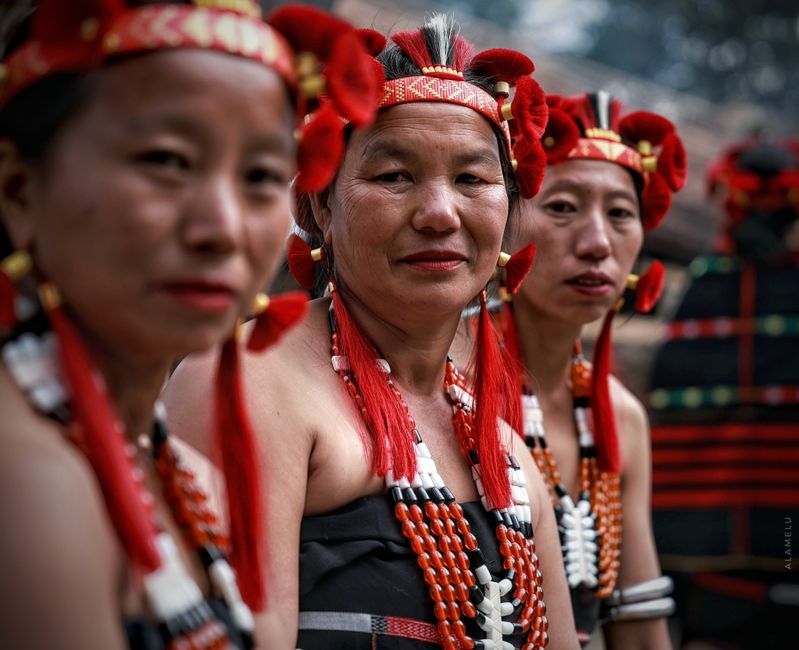
Naga shawls are among the state’s most recognizable products. These textiles are known for bold patterns, geometric designs, and strong visual identity associated with different Naga communities. For buyers in home décor, fashion accessories, and heritage-inspired retail segments, these products offer clear differentiation from mass-produced textiles.

Woodcarving is another important sector. Nagaland has a longstanding tradition of carved wooden decorative items, cultural artifacts, and handcrafted products. Production is typically linked to artisan skills rather than factory-scale manufacturing, making it relevant for importers seeking handcrafted collections and specialty décor lines.

Cane and bamboo products form a significant part of the state’s craft economy. Local producers create baskets, utility products, decorative items, and lifestyle goods using abundant natural materials. These products align with demand for renewable-material and handcrafted categories in international markets.

The state is also known for Naga king chilli, a GI-tagged product recognized for its intense heat. This specialty agricultural export attracts interest from buyers in the food ingredient, condiment, and specialty foods sectors seeking unique regional products.

Key Districts and Production Areas

Kohima, the state capital, is an important center for the marketing and movement of Nagaland’s craft products. Buyers sourcing traditional textiles and artisan-made goods often encounter suppliers connected to networks operating in and around the capital.

Across the state, weaving traditions support the production of Naga shawls and related textile products. Different communities contribute distinctive designs and weaving styles, creating a diverse sourcing base for buyers interested in authentic regional textiles.

Woodcarving activity is associated with artisan communities that preserve traditional carving techniques and cultural motifs. These products are generally suited to niche retail, giftware, and décor markets where craftsmanship is a key selling point.

Cane and bamboo production is distributed across multiple parts of Nagaland, reflecting the widespread availability of these materials. Suppliers often produce both functional and decorative items, ranging from household accessories to craft-oriented products.

Naga king chilli cultivation is concentrated in agricultural areas where the crop is traditionally grown. Buyers sourcing chilli products should expect strong regional identity and product traceability to be important considerations.

Getting Goods Out: Logistics and Export Considerations

Nagaland is a landlocked state in India’s Northeast, and exporters typically depend on road connectivity to reach larger logistics gateways outside the state. Shipments generally move through regional transport networks before connecting to major ports and cargo infrastructure elsewhere in eastern India.

Importers should view Nagaland as a sourcing origin for specialized products rather than high-volume industrial procurement. Lead times, consolidation requirements, and supplier coordination may require more planning than sourcing from India’s major manufacturing corridors.

For handcrafted goods, buyers often benefit from working closely with suppliers on production schedules, quality specifications, packaging requirements, and export readiness.

Fit Within a China-Plus-One Strategy

Nagaland is best suited to buyers seeking unique products that cannot easily be replicated through large-scale manufacturing. It complements a China-plus-one strategy when the objective is product differentiation rather than production substitution.

  • Home décor buyers seeking handcrafted wood and bamboo products.
  • Fashion and lifestyle brands looking for distinctive woven textiles and Naga shawls.
  • Giftware and artisan-focused retailers sourcing culturally rooted handcrafted products.
  • Specialty food importers interested in Naga king chilli and region-specific ingredients.
  • Businesses building curated product collections with strong origin stories and artisan value.

For importers prepared to work with specialized producers and artisan supply chains, Nagaland offers access to products with a clear regional identity, strong craft heritage, and a sourcing profile that differs significantly from India’s mainstream manufacturing centers.

GI-tagged crafts of Nagaland

Geographical Indication products that carry Nagaland's provenance.

All GI tags →
Your India Desk

Source from Nagaland's finest factories.

We handle sourcing, QC, freight and documentation end-to-end. You stay focused on growing the brand.